Same Old Slots, Same Old Story? Why Aussie Players Are Shaking Up Their Gaming Routines

You know the feeling. You fire up your favourite slot, the one you've played a hundred times, and somewhere around the third spin you think — nah, not tonight. It's not that the game changed. You did. And if you're an Aussie casual player, there's a decent chance the shift happened right around a school holiday, a footy finals weekend, or the first properly hot week of summer.
Australia's online casino crowd is quietly restless. Players who swore by a particular pokie for months will suddenly drop it cold and spend the next fortnight exploring live dealer tables or diving into a video poker variant they've never touched. It happens constantly — and it's way more interesting than simple boredom.
The Loyalty Trap (And How We All Fall Into It)
There's a psychological comfort in returning to the same game. You know the mechanics, you've got a feel for the rhythm, and there's something almost meditative about a familiar slot. For casual players especially, that predictability is part of the appeal. It's low-effort entertainment after a long day — you're not there to learn something new, you're there to unwind.
But that comfort has a shelf life. Psychologists call it hedonic adaptation — the way we gradually stop getting the same buzz from experiences that once felt exciting. It's the same reason your favourite takeaway order eventually starts tasting a bit flat, or why a TV series you loved in season one starts feeling like background noise by season three.
With online casino games, the adaptation cycle can be surprisingly short. Regular players often report that a game that felt genuinely thrilling in January starts feeling mechanical by March — even if the odds haven't changed a bit.
Australia's Calendar Does a Lot of the Heavy Lifting
What makes the Aussie gaming switch particularly interesting is how closely it tracks with the national calendar. It's not random. Talk to enough casual players and you start to spot the patterns.
School holidays — particularly the long summer break — tend to shake up routines across the board. With kids home and social schedules reshuffled, gaming sessions shift in length and timing. Players who normally do a quiet 45-minute session after work suddenly find themselves playing in shorter bursts during the day, or staying up later than usual. Different context, different mood, different game choices.
Footy finals season is its own phenomenon. The communal energy of the AFL or NRL run home tends to push players toward more social-feeling experiences — live dealer tables, games with a bit of back-and-forth, anything that scratches that competitive itch. Quiet, solitary pokies sessions feel a bit out of step when the whole country's wired on team sport.
Then there's summer itself. Hot weather genuinely changes how people play. Shorter attention spans, more frequent breaks, a preference for games with faster resolution. Complex strategy games that felt engaging in a cool May evening start feeling like too much effort when it's 35 degrees and you're half-watching cricket on the second screen.
The Discovery Moment — And Why It Hits Different
Here's the flip side of gaming fatigue: the discovery high. The moment you stumble into a game you've never tried, get your head around it in the first few minutes, and suddenly realise you've been playing for twice as long as you intended.
For a lot of Aussie players, this happens almost by accident. They get frustrated with their usual game, scroll through the lobby out of mild curiosity, and click on something they'd normally scroll past. Maybe it's a live blackjack variant with a rule twist they haven't seen before. Maybe it's a slot with a theme that actually makes them laugh. Maybe it's a Megaways mechanic they'd heard about but never bothered to try.
The discovery moment tends to reset the engagement clock. Suddenly there's something to figure out, something to get better at — and that novelty is genuinely energising in a way that no amount of spinning familiar reels can replicate.
What Players Are Actually Switching To
So where do Aussie players land after they ditch their regulars? A few patterns show up pretty consistently.
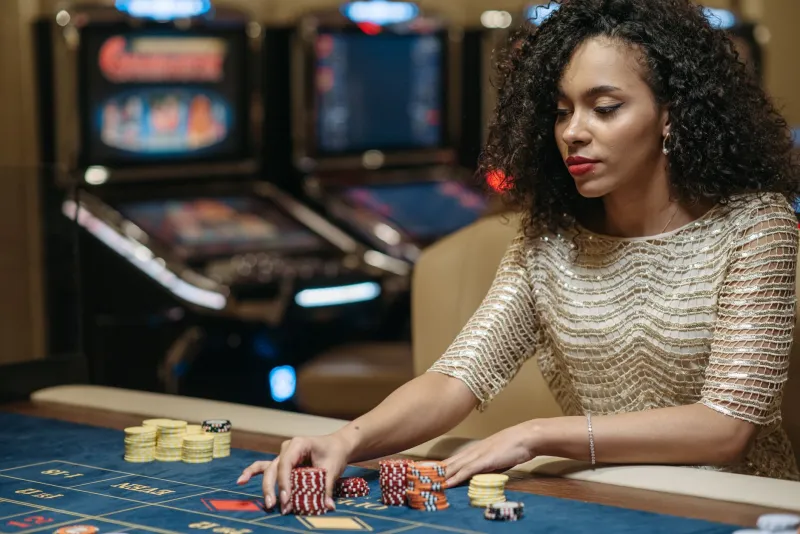
Live dealer tables get a surge of new visitors whenever social energy is high — think long weekends, major sporting events, or the Christmas-New Year stretch when people are in the mood for interaction. The human element matters. Watching a real dealer shuffle cards scratches a different itch than watching a digital animation.
Table game variants — particularly blackjack and baccarat spin-offs — tend to attract players who've hit a wall with slots and want something that rewards a bit of thinking. There's a sense of agency in table games that pokies don't offer, and that can feel like a genuine mental refresh.
Jackpot slots tend to spike in interest around the same time players start feeling restless. When your regular game stops feeling exciting, the idea of something life-changing becomes more appealing — even if the odds are long. It's the gaming equivalent of buying a lottery ticket when your usual routine feels a bit flat.
Crash games and faster-format options attract players whose attention spans have genuinely shortened — often in summer, often around busy life periods. Quick resolution, clear stakes, no complex mechanics to navigate.
How to Make the Switch Work For You
If you recognise yourself in any of this, the good news is that the itch to switch is completely normal — and acting on it can genuinely improve your experience. A few things worth keeping in mind:
Give a new game a proper run. The first few sessions in an unfamiliar game can feel awkward because you're still learning the rhythm. Don't write it off after two minutes. Give it enough time to actually click.
Set the same limits you'd set anywhere else. The novelty high is real, but it can also make time disappear faster than usual. Keep your session budget in mind regardless of how fresh the game feels.
Use free play modes to explore. Most platforms let you demo games before you commit real money. This is genuinely the best way to find your next favourite without any pressure.
Pay attention to your mood before you pick a game. If you're tired and want something low-effort, a complex new game probably isn't the right call. Match the game to the headspace, not just the habit.
The Takeaway
The gaming switcheroo isn't a sign that something's wrong with your current favourites — it's just what happens when you're a living, breathing person with shifting moods, a changing calendar, and a brain that gets bored on schedule. Australia's seasons, sports, and social rhythms all play into it more than most players realise.
The best approach? Stay curious. The lobby is bigger than your usual corner of it, and there's a decent chance your next favourite game is sitting there waiting — you just haven't clicked on it yet.